
The Story Behind Kathakali Head Decor & Kerala’s Artistic Legacy
Kerala’s cultural landscape is rich with art forms that are deeply rooted in ritual, storytelling, and spiritual expression. Among them, Kathakali stands apart as a powerful visual spectacle where color, costume, expression, and movement come together to narrate epic tales. While much attention is given to the elaborate facial makeup and dramatic performances, the Kathakali head decor remains one of the most striking yet often underexplored elements of this classical art form.
The head decor is not merely an ornament. It is a carefully crafted symbol of character, hierarchy, and emotion. For art lovers, collectors, cultural enthusiasts, and those drawn to traditional decor, understanding the story behind Kathakali head decor offers a deeper appreciation of Kerala’s artistic legacy. This blog explores its origins, symbolism, craftsmanship, and its evolving role beyond the stage.
Kathakali: A Brief Cultural Context
Kathakali originated in Kerala during the 17th century as a classical dance-drama inspired by ancient Indian epics such as the Ramayana, Mahabharata, and Bhagavata Purana. Unlike many dance forms that rely heavily on rhythm and footwork, Kathakali emphasizes:
- Expressive facial movements (rasabhinaya)
- Codified hand gestures (mudras)
- Bold costumes and ornaments
- Highly stylized makeup and headgear
Every visual element in Kathakali is symbolic, and the head decor plays a crucial role in shaping the identity of each character portrayed on stage.
The Significance of Kathakali Head Decor
More Than Ornamentation
The Kathakali head decor is designed to transform the performer into a larger-than-life figure. It enhances facial expressions, balances the heavy costume, and reinforces the moral nature of the character whether divine, heroic, noble, or demonic.
Traditionally, the head decor serves three main purposes:
- Character identification – instantly communicates the role to the audience
- Visual balance – complements the voluminous costume and makeup
- Symbolic storytelling – reflects virtues, vices, and cosmic roles
In a performance that relies on visual cues as much as narrative, the headgear becomes a silent yet powerful storyteller.
Understanding the Structure of Kathakali Head Decor
Key Components
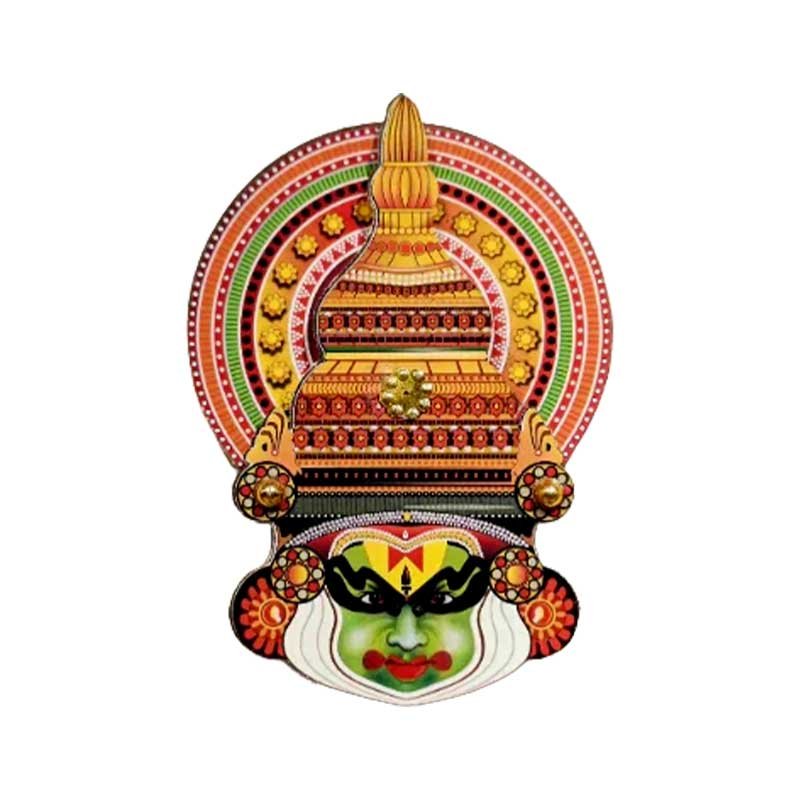
Kathakali head decor is not a single piece but a composite structure, assembled meticulously before every performance. Its major elements include:
- Kireedam – the crown-like headpiece, often tall and circular
- Chutti – the white, layered frame that surrounds the face
- Kuzhal – cylindrical ornaments extending from the ears
- Thattassudai – a decorative disc worn at the back of the head
Each component is handcrafted and assembled to ensure symmetry, comfort, and visual impact.
Symbolism Behind the Design
Colors, Shapes, and Meanings
In Kathakali, visual symbolism is precise and intentional. The head decor works in harmony with makeup and costume to define character types:
Pacha (Noble Characters)
- Worn by divine and heroic figures like Rama and Krishna
- Head decor is balanced, symmetrical, and elegant
- Represents purity, virtue, and moral strength
Kathi (Villains with Noble Traits)
- More aggressive design elements
- Slight exaggeration in size and color
- Reflects arrogance, ambition, and inner conflict
Thaati and Kari (Demonic Characters)
- Larger, more dramatic headgear
- Bold shapes and intimidating proportions
- Symbolizes chaos, darkness, and destructive power
Through these variations, Kathakali head decor becomes a visual language that audiences can instantly read.
The Craftsmanship Behind Kathakali Head Decor
A Tradition Passed Through Generations
The creation of Kathakali head decor is a specialized craft practiced by skilled artisans in Kerala. Traditionally, these artisans worked closely with Kathakali troupes and temples, producing pieces tailored for specific characters.
Materials commonly used include:
- Lightweight wood
- Cane and bamboo
- Natural fibers
- Paper pulp and cloth
- Hand-painted natural pigments
Each piece is shaped, layered, painted, and polished by hand a process that can take several days or even weeks.
Attention to Detail
What makes Kathakali head decor remarkable is its balance of durability and delicacy. Despite its grand appearance, the headgear must be light enough for performers to wear for hours under intense lighting.
Artisans pay close attention to:
- Weight distribution
- Ventilation and comfort
- Symmetry and proportion
- Visual harmony with makeup and costume
This fusion of aesthetics and functionality reflects the maturity of Kerala’s traditional design philosophy.
Kathakali Head Decor Beyond the Stage
From Performance to Heritage Decor
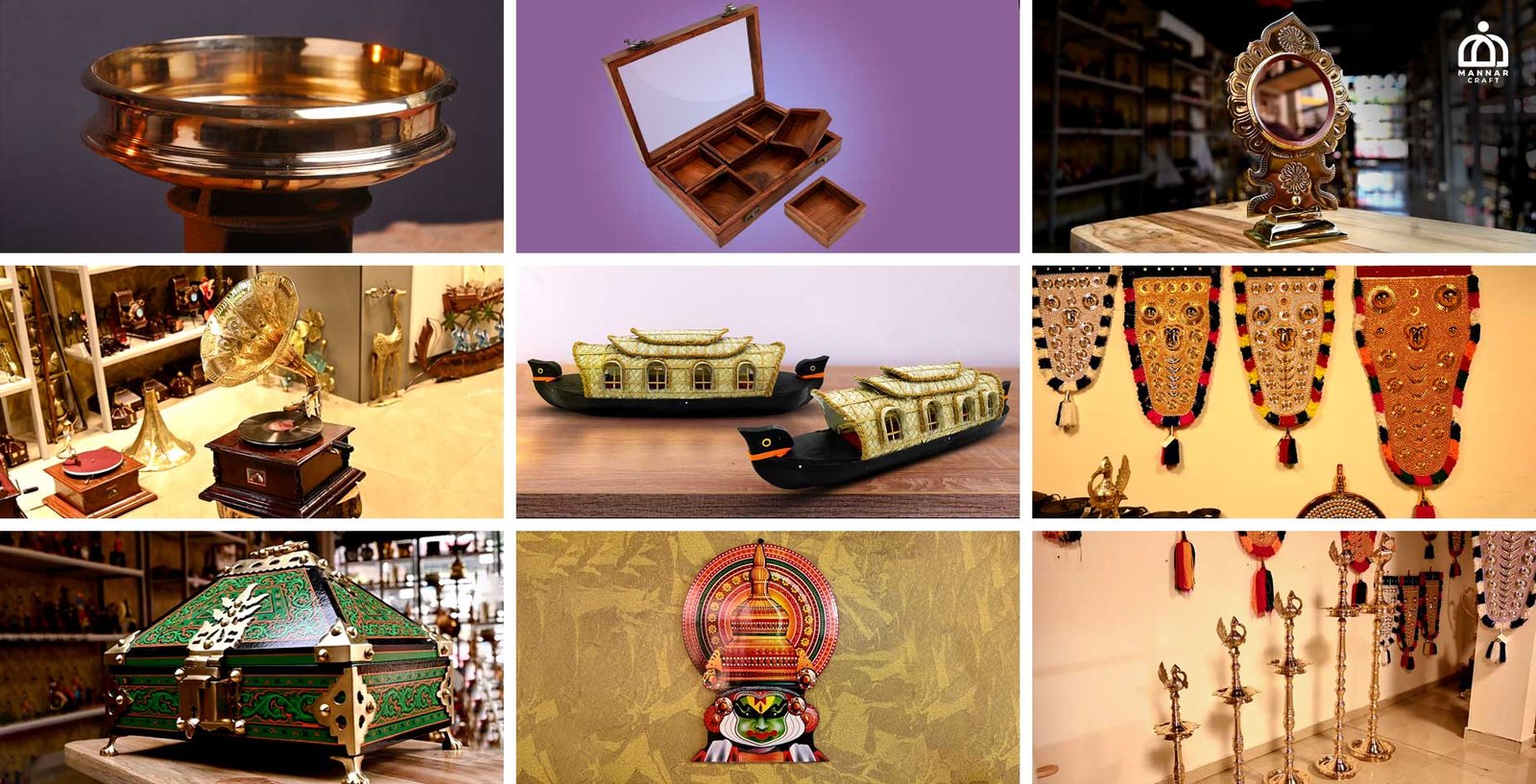
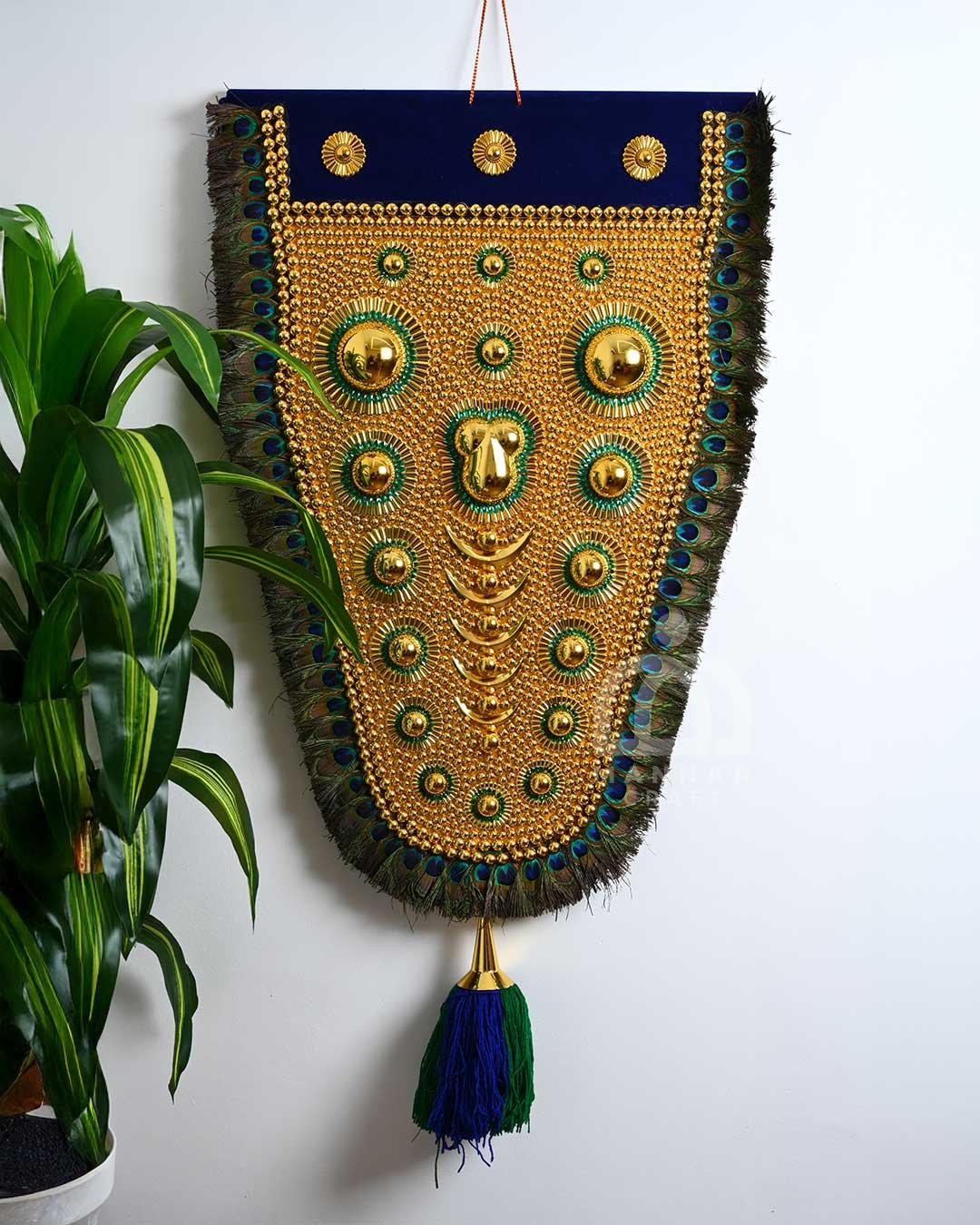
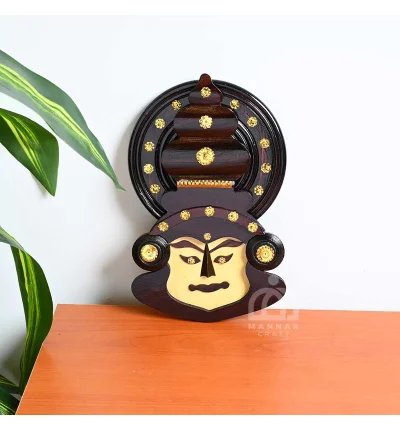
In recent years, Kathakali head decor has found new life beyond classical performances. Miniature replicas and stylized adaptations are now popular as:
- Home décor accents
- Cultural collectibles
- Office desk art
- Traditional gifting items
These decor pieces retain the essence of Kathakali while making the art form accessible to modern audiences.
Symbol of Kerala’s Identity
For many, owning a Kathakali head decor piece is a way of celebrating Kerala’s heritage. It serves as:
- A conversation starter
- A symbol of artistic pride
- A reminder of India’s classical traditions
In homes and cultural spaces across India and abroad, Kathakali-inspired decor bridges tradition and contemporary design.
Cultural Preservation Through Craft
Why It Still Matters Today
As modern entertainment and digital media reshape cultural consumption, traditional art forms face the risk of fading into obscurity. Kathakali head decor plays a small but meaningful role in preserving this legacy.
By supporting handcrafted decor and traditional artisans:
- Ancient skills remain economically viable
- Younger generations stay connected to heritage
- Cultural storytelling continues beyond the stage
In this way, Kathakali head decor becomes both an artistic object and a vessel of cultural continuity.
Choosing Authentic Kathakali Head Decor
For collectors and decor enthusiasts, authenticity matters. When selecting Kathakali head decor, consider:
- Handcrafted origin
- Traditional design accuracy
- Use of natural or sustainable materials
- Artisan or heritage-based sourcing
Authentic pieces not only look richer but also carry cultural integrity and craftsmanship value.
Conclusion
The story behind Kathakali head decor is a story of devotion to art, tradition, and storytelling. From its symbolic role in classical performances to its evolving presence as heritage decor, it reflects the depth and resilience of Kerala’s artistic legacy.
More than an ornamental crown, Kathakali head decor embodies centuries of cultural wisdom, meticulous craftsmanship, and visual storytelling. Whether admired on stage or displayed in a modern living space, it continues to honor the spirit of an art form that has defined Kerala’s cultural identity for generations.
In understanding and preserving Kathakali head decor, we preserve not just an object, but a living tradition one that reminds us of the timeless power of art to connect history, identity, and expression.
Related Blogs