Kavara Vilakku: The Ancient Branching Lamp of Kerala Temples Perfect for Poojas, Rituals, and Temple Offerings
Introduction
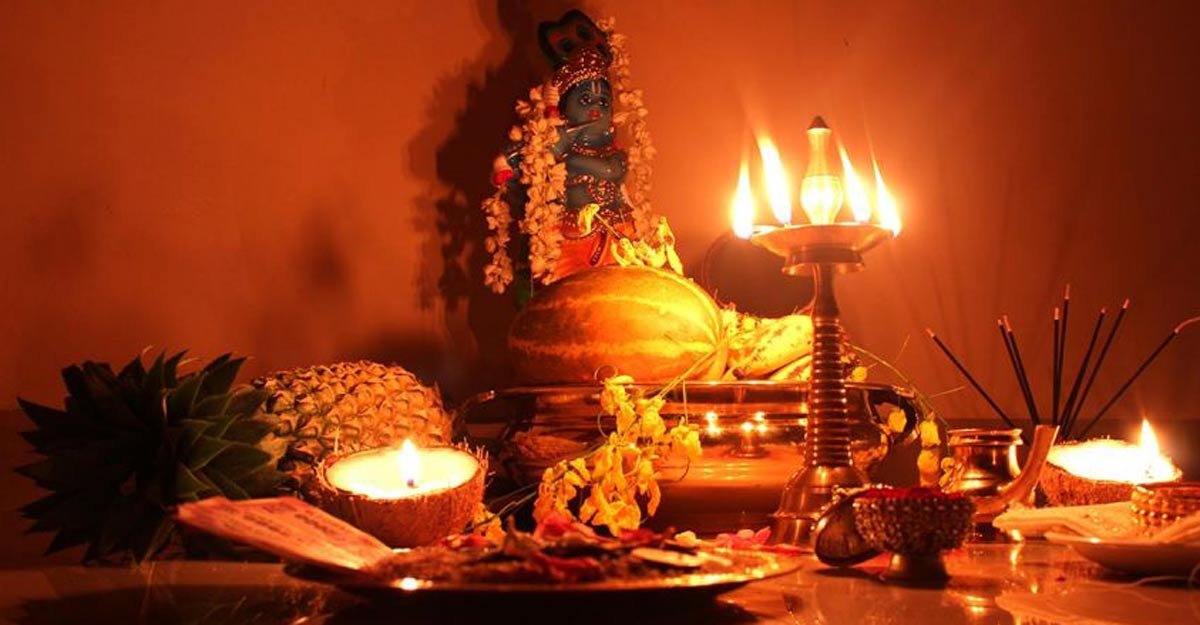
In the sacred architecture of Kerala temples, light is more than illumination; it is a living symbol of divinity. Among the many traditional lamps used in temple worship, the Kavara Vilakku holds a distinctive place. Known for its elegant branching structure and multiple oil-wick holders, this ancient lamp has been central to poojas, rituals, and temple offerings for centuries.
For devotees, collectors, and those seeking authentic Kerala pooja items, the Kavara Vilakku represents both spiritual depth and cultural heritage. Whether placed in a temple sanctum or in a home altar, its radiant glow transforms ordinary spaces into sacred environments.
This article explores the history, design, spiritual symbolism, and practical significance of the Kavara Vilakku—making it easier for you to understand why it remains an essential ritual lamp in Kerala tradition.
The Historical Roots of Kavara Vilakku
Kerala’s temple traditions are deeply connected to light worship. Lamps are not merely accessories; they are integral to daily rituals and festive ceremonies. The Kavara Vilakku evolved as part of this long-standing temple culture.
In many ancient temples across Kerala, multi-branched lamps were used during special rituals where multiple flames symbolized divine presence in its many forms. The branching design allowed priests to light several wicks simultaneously, creating a powerful and auspicious aura during ceremonies.
Over generations, artisans refined the design, balancing structural strength with aesthetic elegance. Today, the Kavara Vilakku stands as a testament to Kerala’s metal craftsmanship and spiritual devotion.
What Is a Kavara Vilakku?
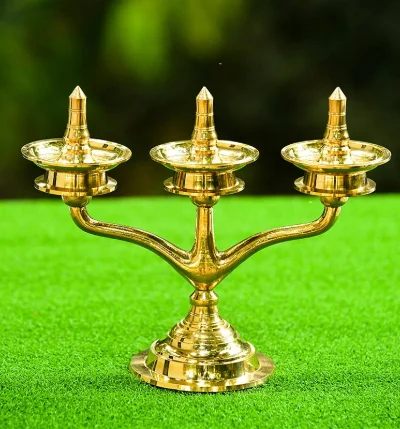
The Kavara Vilakku is a traditional branching oil lamp made predominantly from brass. Unlike a single-wick lamp, it features multiple projecting arms (branches), each holding a small cup for oil and wick placement.
Key Design Features
- Multiple Branches: Symbolize abundance and divine multiplicity
- Central Stem: Represents stability and spiritual grounding
- Oil Reservoir Cups: Designed for long-lasting illumination
- Traditional Brass Construction: Durable and spiritually significant
Its structure makes it ideal for rituals that require multiple flames, particularly temple offerings and ceremonial poojas.
Spiritual Symbolism of the Branching Lamp
Every element of the Kavara Vilakku carries symbolic meaning.
1. The Flame as Divine Presence
In Hindu philosophy, the lamp flame represents knowledge, purity, and the removal of darkness (ignorance). Lighting the lamp marks the beginning of any auspicious ritual.
2. Multiple Wicks and Cosmic Energy
The branching design allows multiple flames to burn together, symbolizing:
- The unity of diverse energies
- The presence of multiple deities
- Prosperity and spiritual abundance
3. Brass as a Sacred Metal
Brass has long been used in ritual objects because of its durability and traditional belief in its sattvic (pure) qualities. It retains heat well and supports steady flame burning, essential for long pooja sessions.
Kavara Vilakku in Kerala Temple Rituals
In temple settings across Kerala, lamps are central to daily worship (nitya pooja) and festival ceremonies. The Kavara Vilakku is often used during:
- Deeparadhana (lamp offering rituals)
- Special festival processions
- Temple anniversary celebrations
- Evening aarti ceremonies
The symmetrical arrangement of flames enhances the visual and spiritual grandeur of temple rituals. When lit together, the branches create a circular glow that fills the sanctum with warmth and reverence.
Why Kavara Vilakku Is Perfect for Home Poojas
While traditionally seen in temples, the Kavara Vilakku is increasingly becoming a cherished addition to home altars.
Ideal for:
- Daily poojas
- Navaratri celebrations
- Karthika Deepam observances
- Housewarming ceremonies
- Spiritual gifting
The multiple wicks allow family members to participate in lighting the lamp together, making rituals more inclusive and meaningful.
Kavara Vilakku as a Temple Offering
Offering a lamp to a temple is considered an act of deep devotion. Donating a Kavara Vilakku signifies:
- Gratitude for blessings received
- Seeking divine protection
- Fulfilling vows
- Contributing to temple traditions
Because of its branching design and ritual importance, it is often chosen as a prestigious offering in Kerala temples.
Craftsmanship and Materials
Traditional Kavara Vilakku lamps are handcrafted by skilled artisans. The process typically involves:
- Metal casting using traditional molds
- Hand-finishing for smooth detailing
- Polishing to achieve a rich golden sheen
The craftsmanship ensures:
- Structural stability
- Even oil distribution
- Balanced flame burning
- Long-term durability
High-quality brass ensures the lamp remains functional and beautiful for generations.
How to Use and Maintain a Kavara Vilakku
Proper usage enhances both spiritual experience and longevity.
How to Use:
- Fill each branch cup with sesame oil or ghee
- Place cotton wicks carefully
- Light from the central wick outward
- Ensure stable placement on a flat surface
Maintenance Tips:
- Clean regularly with natural brass cleaners (like tamarind or lemon paste)
- Wipe dry after cleaning to prevent tarnish
- Store in a dry place when not in use
Regular maintenance preserves its shine and ritual purity.
Choosing the Right Kavara Vilakku
When selecting a Kavara Vilakku, consider:
- Number of branches (based on ritual requirement)
- Height and weight
- Quality of brass
- Base stability
- Artisanal detailing
For temple settings, larger branching lamps are preferred. For home poojas, medium-sized versions provide balance between functionality and space efficiency.
Kavara Vilakku as Spiritual Home Decor
Beyond ritual use, the lamp enhances traditional interiors. Its sculptural elegance complements:
- Wooden temple-style furniture
- Brass idols
- Traditional Kerala décor themes
- Heritage-inspired homes
When lit during evenings, it creates a calming ambiance that naturally elevates the atmosphere of the space.
SEO Focus: Why Kavara Vilakku Stands Out
Among traditional Kerala temple lamps, the Kavara Vilakku remains distinctive because of its branching structure and ceremonial prominence.
Primary keyword naturally integrated: Kavara Vilakku
Secondary semantic keywords used:
- Kerala temple lamp
- branching oil lamp
- pooja lamp
- temple offering lamp
- brass ritual lamp
The lamp’s ability to combine ritual functionality, symbolic depth, and aesthetic elegance makes it uniquely valuable in devotional practices.
Conclusion
The Kavara Vilakku is more than a traditional oil lamp; it is a symbol of Kerala’s spiritual heritage and temple artistry. Its branching design reflects abundance, unity, and divine presence, making it perfect for poojas, rituals, and temple offerings.
Whether placed in a grand temple or a peaceful home altar, its radiant flames remind us of the eternal triumph of light over darkness. For those seeking authenticity in their spiritual practices, the Kavara Vilakku offers not just illumination but tradition, devotion, and timeless grace.
Related Blogs