Copper Utensils: Benefits, Uses, Care & Health Facts
Introduction
Copper utensils have been used for centuries across cultures, especially in India, where they hold both practical and symbolic value. Long before stainless steel and non-stick cookware became common, copper was the preferred metal for cooking, storing water, and performing religious rituals.
In recent years, copper utensils have made a strong comeback. Health-conscious consumers, traditional households, and sustainable living advocates are rediscovering their benefits. From improved digestion to natural antimicrobial properties, copper offers advantages that modern materials often lack.
This article explores copper utensils in depth, covering their health benefits, traditional significance, safe usage, maintenance tips, and whether they truly deserve a place in today’s kitchens.
Understanding Copper Utensils
What Are Copper Utensils?
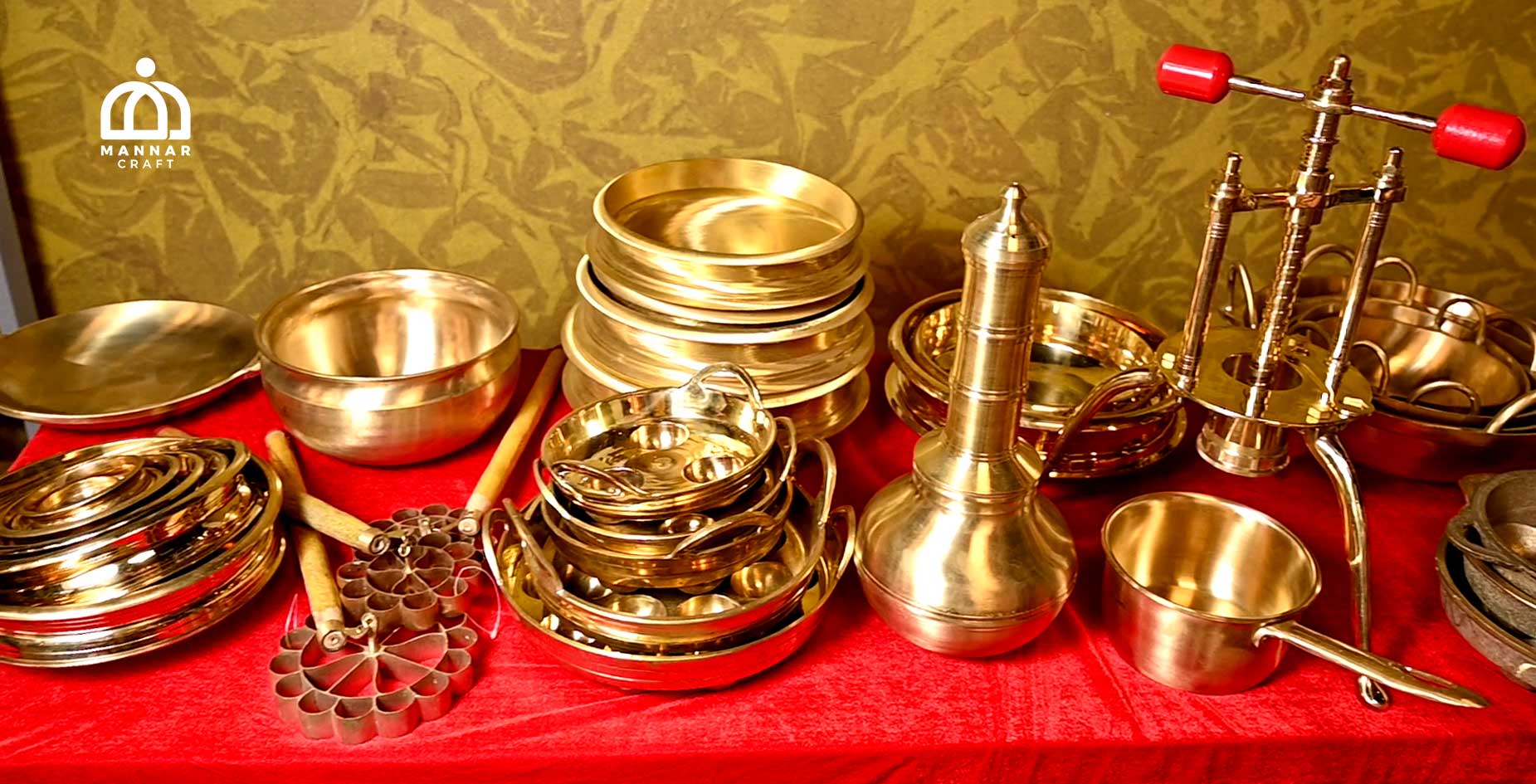
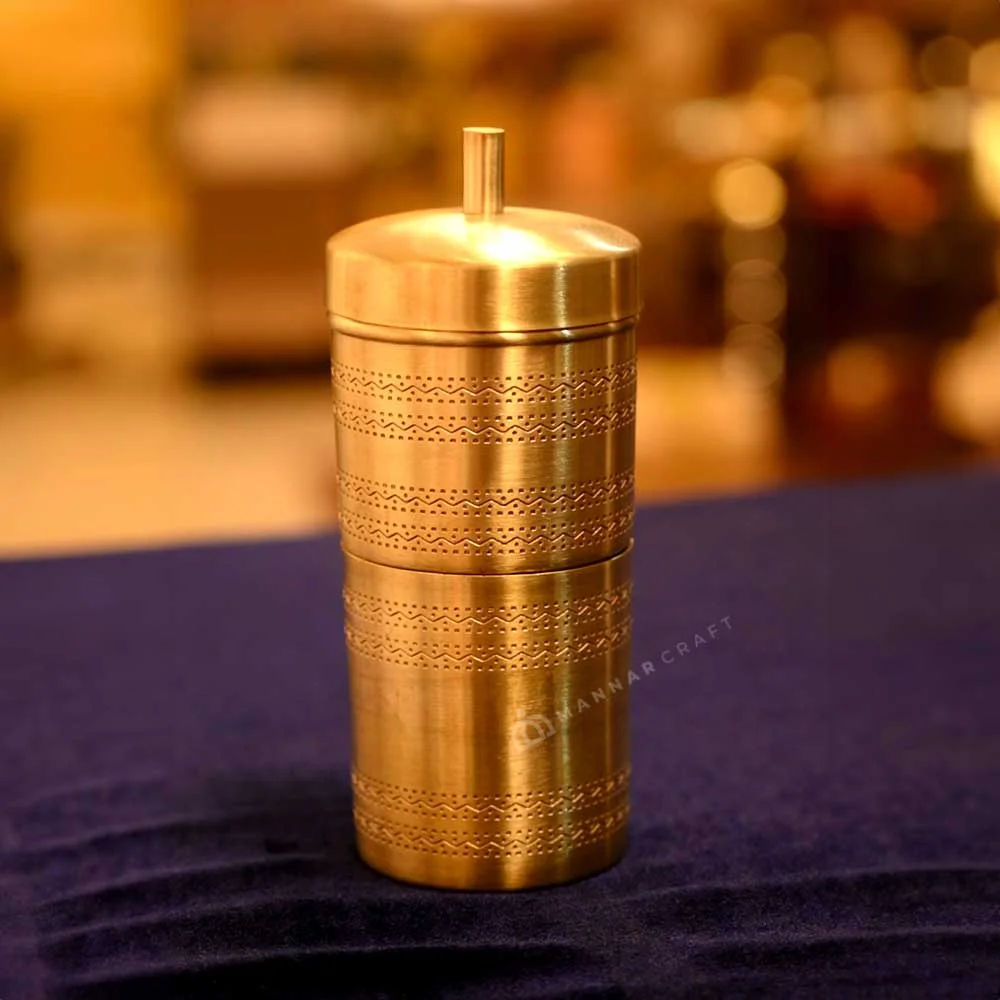
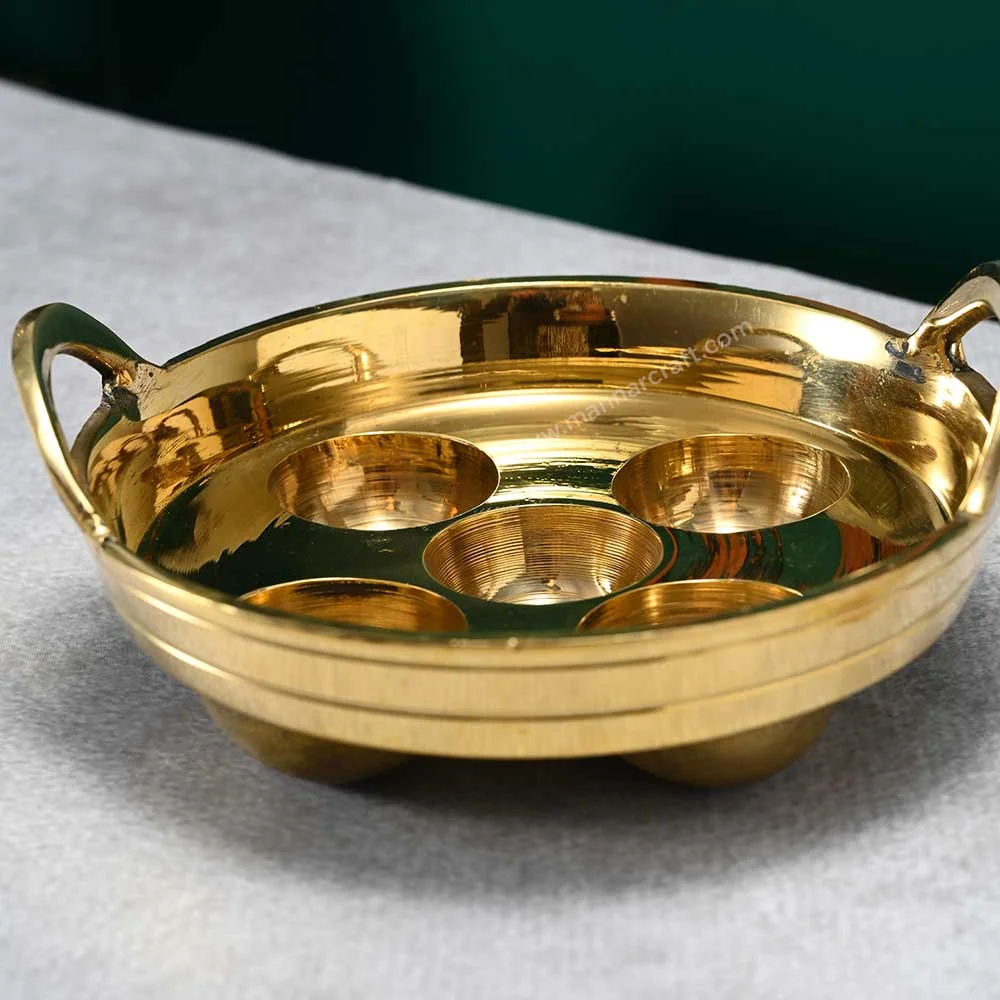
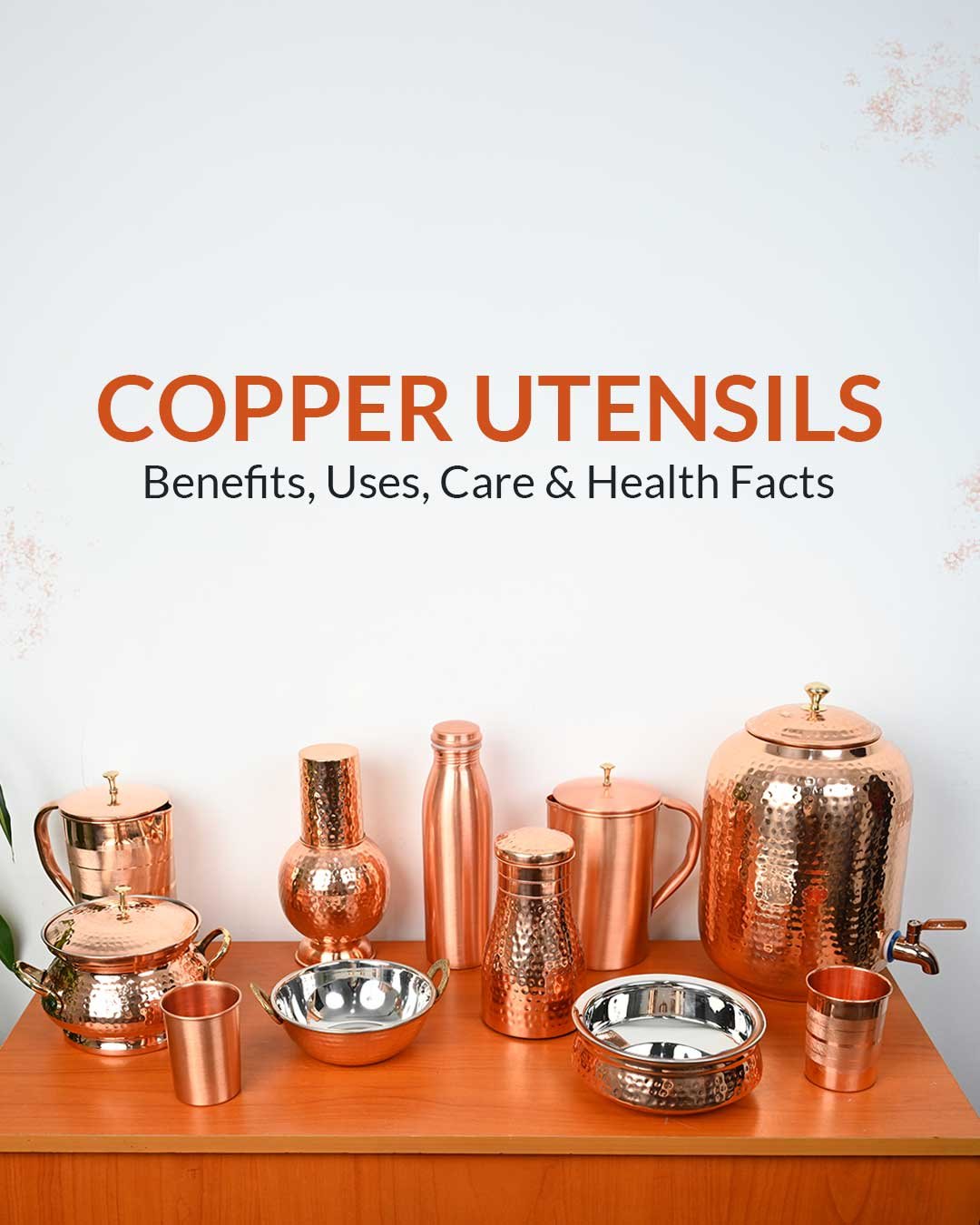
Copper utensils are kitchen and household items made primarily from pure copper or copper alloys. Common examples include
- Copper water pots and tumblers
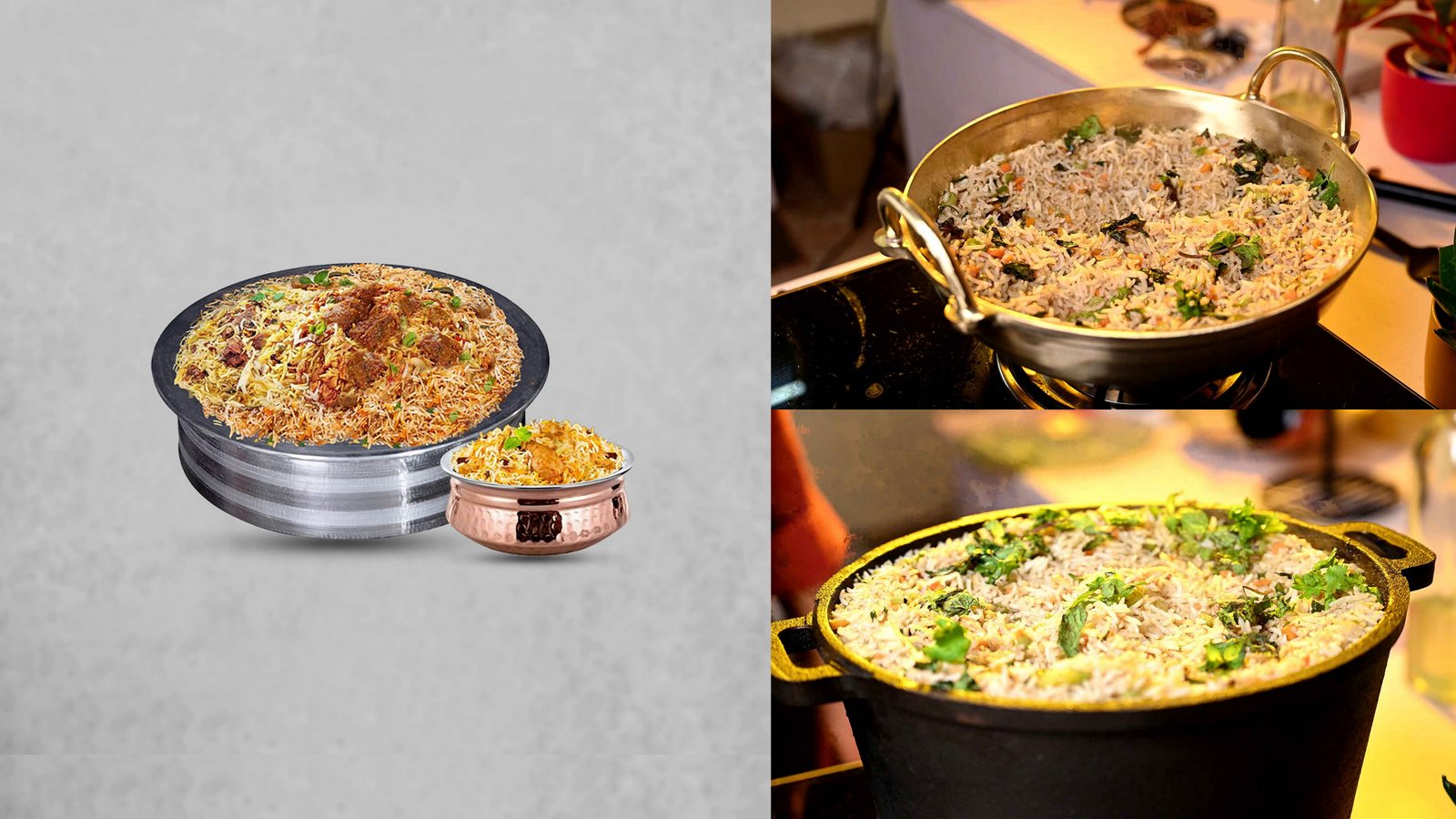
- Cooking vessels like pans and kadais
- Serving bowls and plates
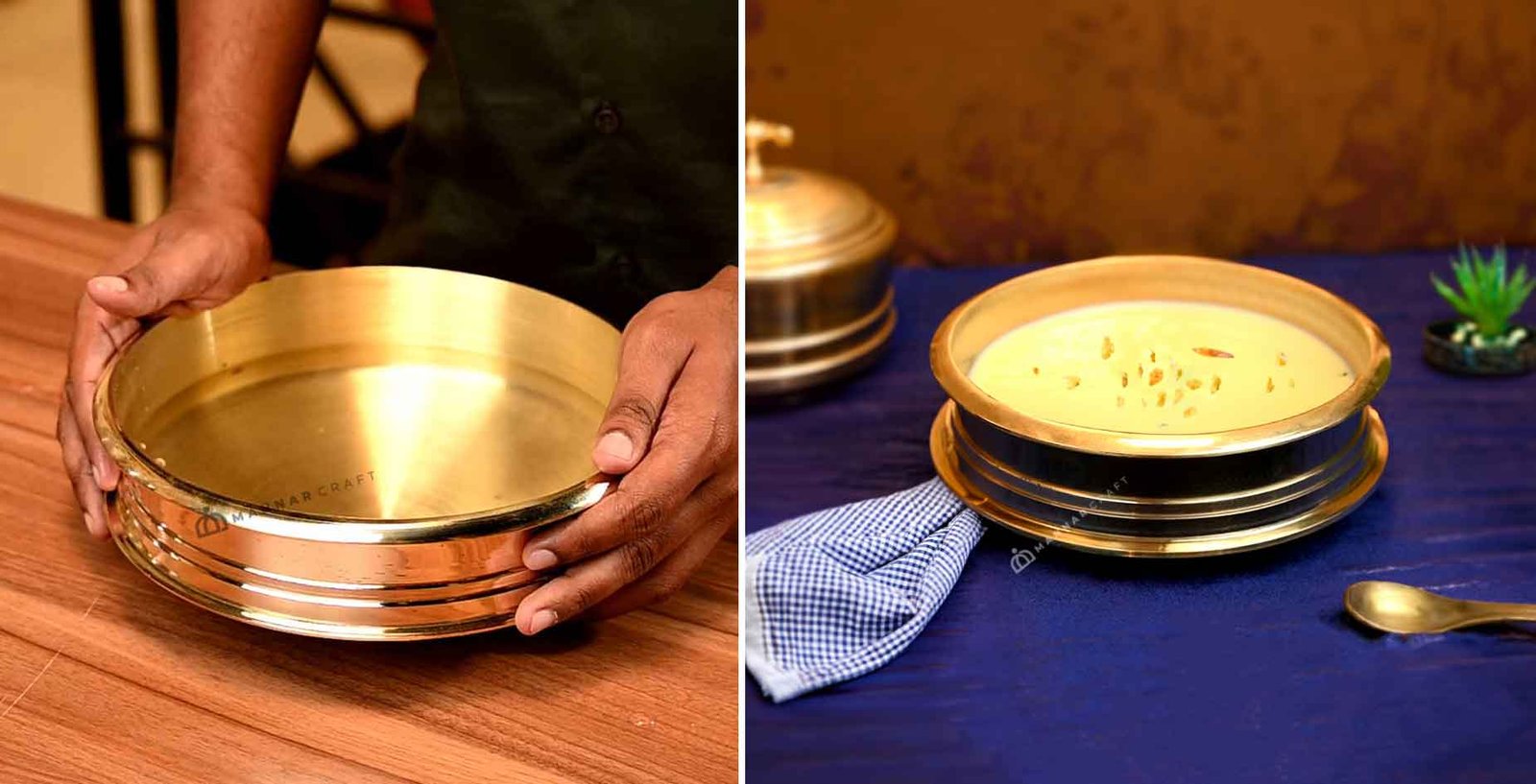
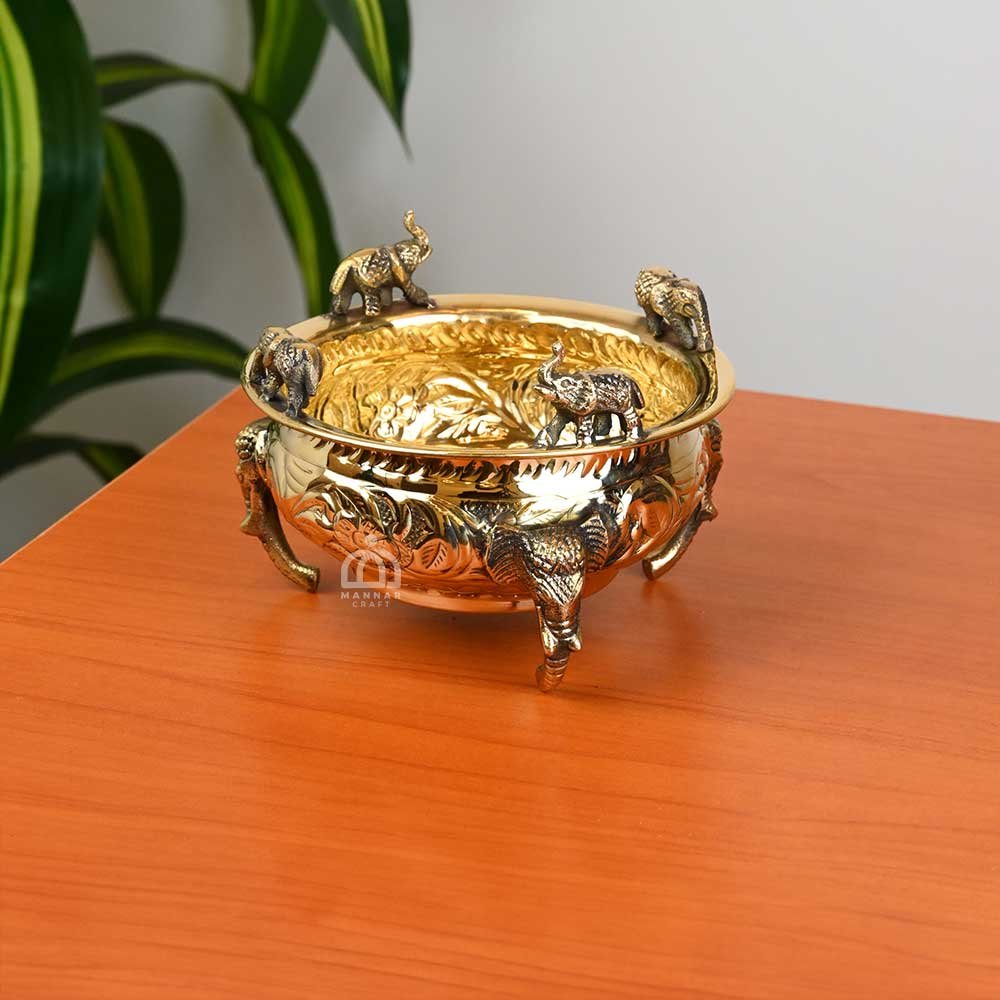
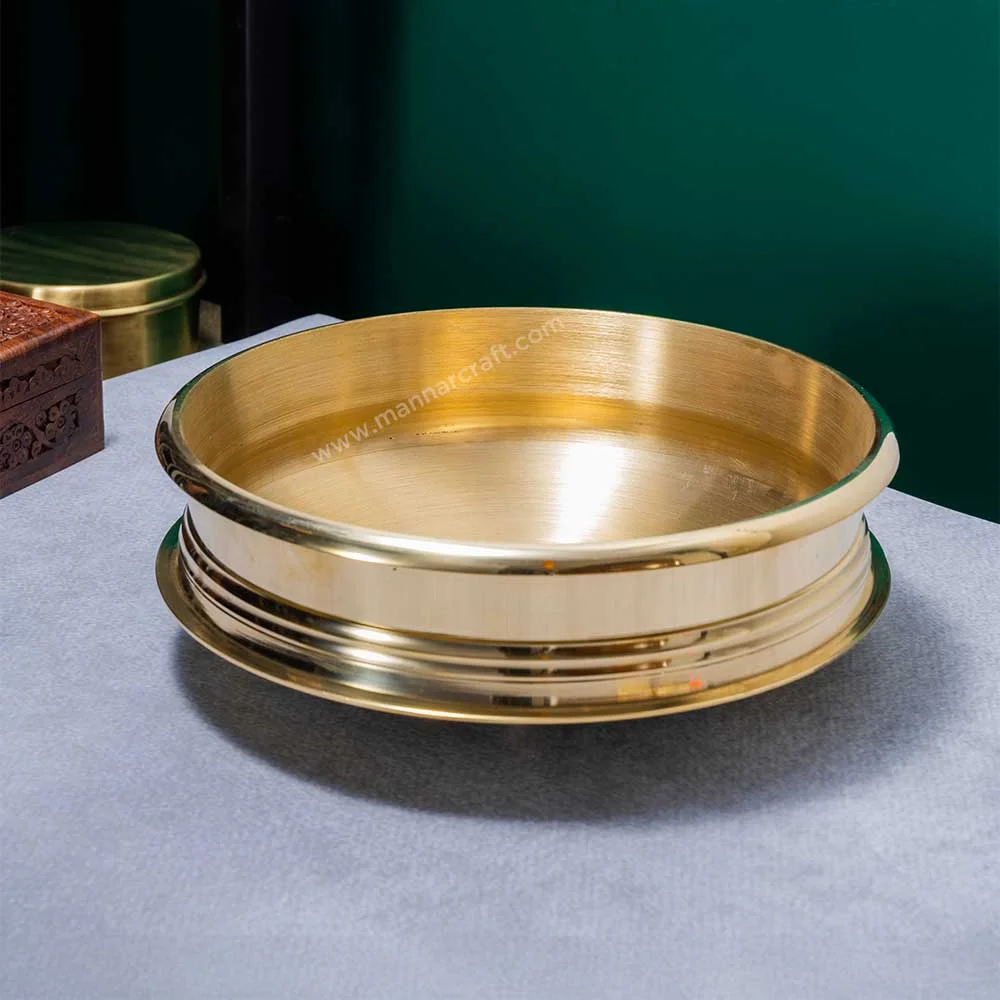
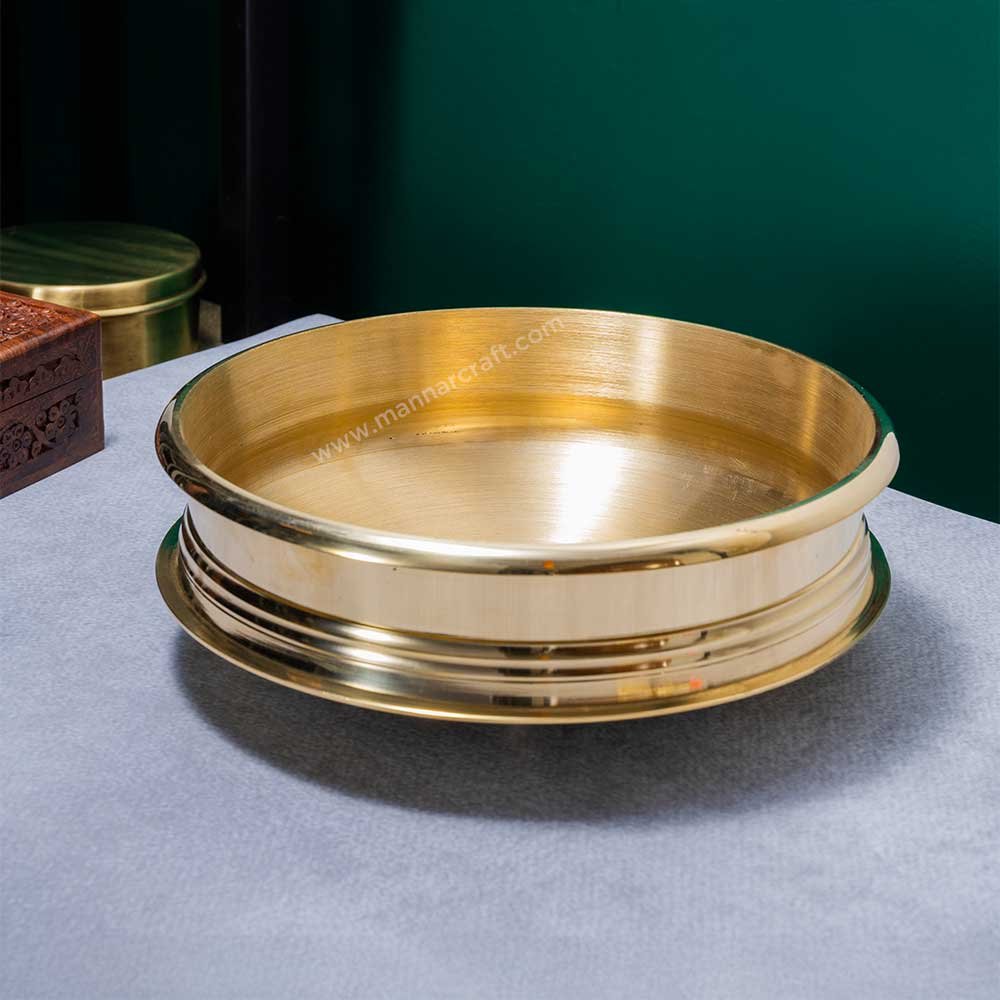
- Traditional items such as urulis and kalash
In traditional Indian homes, copper utensils were often used daily, particularly for storing drinking water.
Why Copper Was Traditionally Preferred
Copper is an excellent conductor of heat and has natural antimicrobial properties. Ancient civilizations recognized these qualities long before modern science could explain them. In Ayurveda, copper (known as Tamra) is believed to balance bodily energies when used correctly.
Health Benefits of Copper Utensils
One of the main reasons copper utensils remain popular is their potential health benefits.
1. Supports Digestive Health
Drinking water stored in copper vessels is believed to stimulate digestive enzymes. This may help:
- Improve digestion
- Reduce acidity and bloating
- Support gut health
Ayurveda suggests that copper-infused water helps balance the three doshas Vata, Pitta, and Kapha.
2. Natural Antimicrobial Properties
Copper has been scientifically proven to destroy harmful bacteria and microbes. Water stored in copper containers for several hours can become naturally purified, reducing the risk of waterborne illnesses.
3. Boosts Immunity
Trace amounts of copper are essential for the human body. Copper supports:
- Red blood cell production
- Iron absorption
- Immune system function
Using copper utensils responsibly may help meet these trace mineral needs.
4. Anti-Inflammatory Benefits
Copper is known for its anti-inflammatory properties, which may help ease joint pain and support overall wellness when used in moderation.
Copper Utensils in Modern Cooking
Is Copper Safe for Cooking?
This is one of the most common questions. Pure copper reacts with acidic foods, which can lead to excess copper intake if used improperly.
That’s why most copper cookware is:
- Lined with tin or stainless steel
- Used mainly for water storage or serving
- Avoided for acidic dishes like tamarind or tomato-based curries
When properly lined and maintained, copper cookware is safe and highly effective.
Heat Conductivity Advantage
Copper heats up quickly and distributes heat evenly. This makes it ideal for:
- Slow cooking
- Delicate sauces
- Traditional recipes requiring consistent heat
Professional chefs often value copper cookware for this precise temperature control.
Traditional and Cultural Significance
Copper in Indian Households
In India, copper utensils are more than functional items. They are deeply rooted in tradition and rituals.
Common traditional uses include:
- Copper kalash for religious ceremonies
- Copper plates used during auspicious occasions
- Copper urulis for festive decorations
Copper is considered pure and auspicious, often associated with positive energy.
Ayurvedic Importance
Ayurveda recommends drinking water stored overnight in copper vessels, known as Tamra Jal. This practice is believed to detoxify the body and improve overall balance.
How to Use Copper Utensils Correctly
To enjoy the benefits of copper utensils safely, proper usage is essential.
Best Practices
- Use copper vessels mainly for water storage
- Store water for 6–8 hours, preferably overnight
- Drink copper water in moderation (one or two glasses a day)
- Avoid cooking acidic foods in unlined copper cookware
Who Should Be Cautious
People with conditions like Wilson’s disease or copper sensitivity should consult a medical professional before using copper utensils regularly.
Cleaning and Maintaining Copper Utensils
Copper naturally oxidizes over time, developing a dark patina. While this does not reduce functionality, many prefer the original shine.
How to Clean Copper Utensils Naturally
Simple home remedies include
- Lemon and salt
- Tamarind paste
- Vinegar and flour
Gently scrub and rinse thoroughly. Avoid harsh chemicals or dishwashers.
Maintenance Tips
- Dry immediately after washing
- Store in a dry place
- Re-tin copper cookware when lining wears off
Proper care can extend the life of copper utensils for decades.
Copper vs Modern Kitchen Materials
Copper vs Stainless Steel
|
Feature |
Copper |
Stainless Steel |
|
Heat Conductivity |
Excellent |
Moderate |
|
Health Benefits |
Yes (trace minerals) |
Neutral |
|
Maintenance |
High |
Low |
|
Traditional Value |
High |
Low |
Copper vs Non-Stick Cookware
Copper is free from synthetic coatings and long-term chemical concerns, making it a more sustainable and traditional option.
Why Copper Utensils Are Making a Comeback
Modern consumers are increasingly drawn to:
- Sustainable materials
- Traditional wellness practices
- Handcrafted kitchenware
- Chemical-free cooking options
Copper utensils fit perfectly into this shift toward conscious living.
Artisan-made copper kitchenware also supports traditional craftsmanship, making each piece both functional and meaningful.
Conclusion
Copper utensils are not just a nostalgic reminder of the past; they are a practical, health-supporting, and culturally rich addition to modern homes. When used correctly, they offer natural antimicrobial benefits, support digestion, and enhance cooking efficiency.
While they require more care than stainless steel, the advantages of copper utensils often outweigh the effort. For those seeking a blend of tradition, wellness, and sustainability, copper kitchenware remains a timeless choice.
Choosing copper is not just about cookware; it’s about reconnecting with mindful living and centuries-old wisdom that still holds value today.
Related Blogs