Bronze Paniyaram Pan: Benefits, Care & Cooking Guide
In recent years, traditional Indian cookware has seen a powerful revival. Among these time-tested kitchen essentials, the bronze paniyaram pan stands out as both a cultural icon and a practical cooking tool. Rooted in South Indian culinary traditions, this pan is designed specifically to prepare paniyaram soft, golden dumplings made from fermented dosa or idli batter.
However, the appeal of a bronze paniyaram pan goes far beyond nostalgia. Health-conscious cooks, heritage cookware enthusiasts, and professional chefs are increasingly turning to bronze for its durability, heat efficiency, and potential wellness benefits. In an age where concerns about non-stick coatings and chemical exposure are growing, bronze cookware offers a natural, safe, and sustainable alternative.
This blog explores everything you need to know about bronze paniyaram pans from their material science and health benefits to seasoning, maintenance, and cooking performance helping you make an informed and confident choice.
What Is a Bronze Paniyaram Pan?
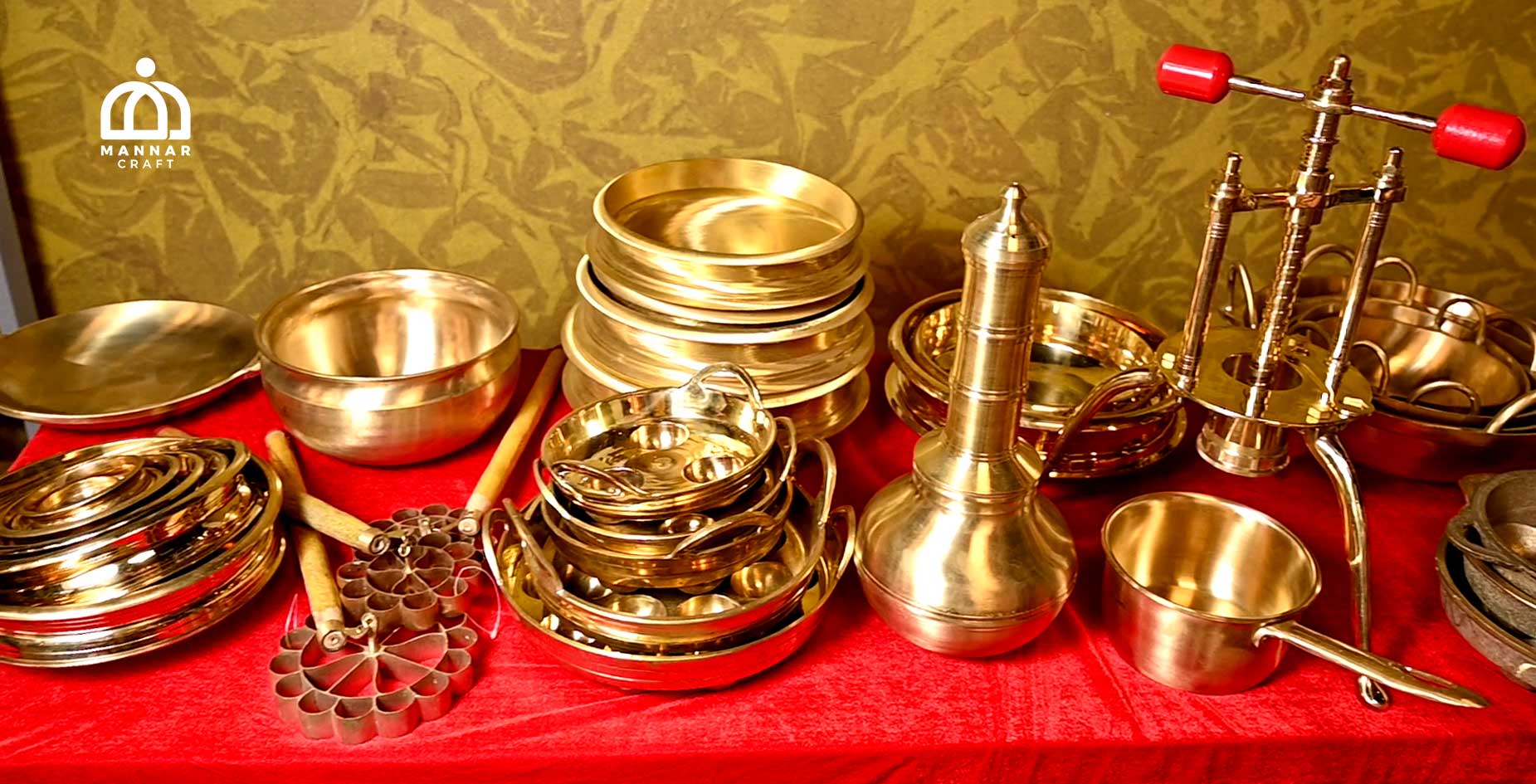
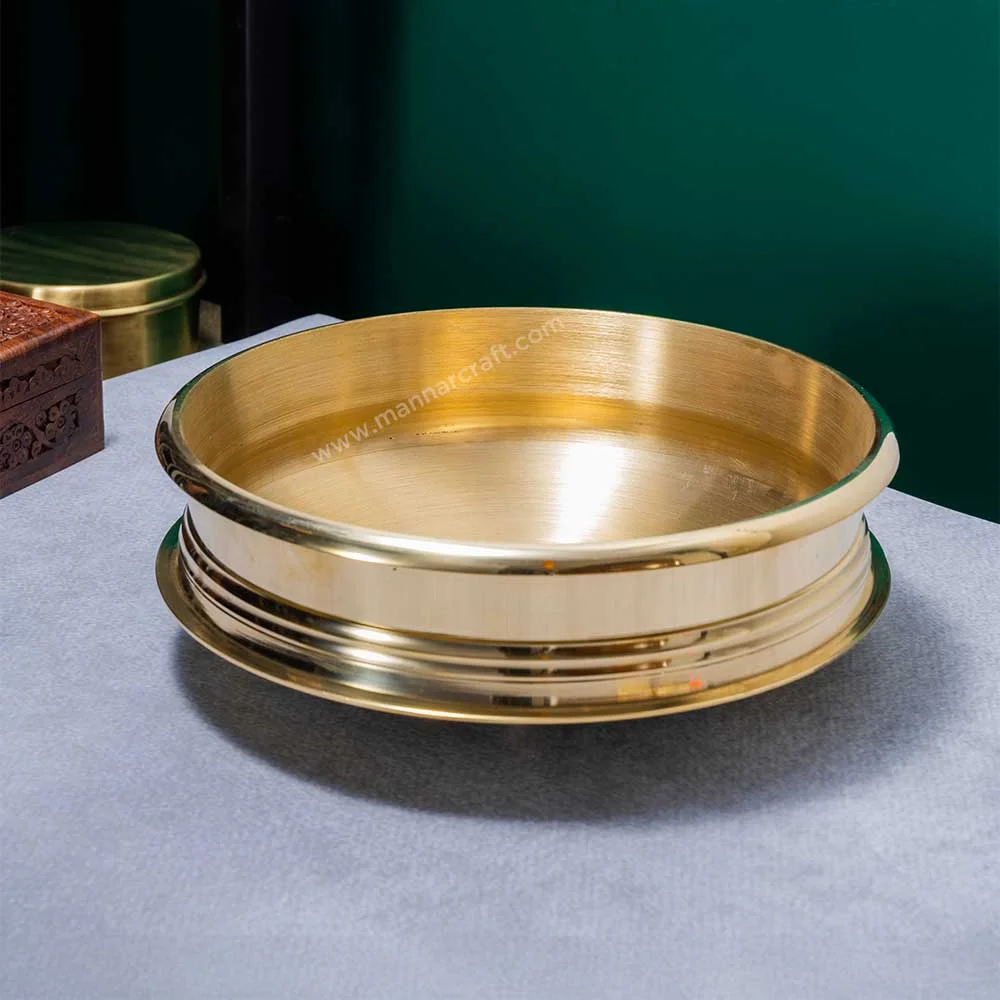
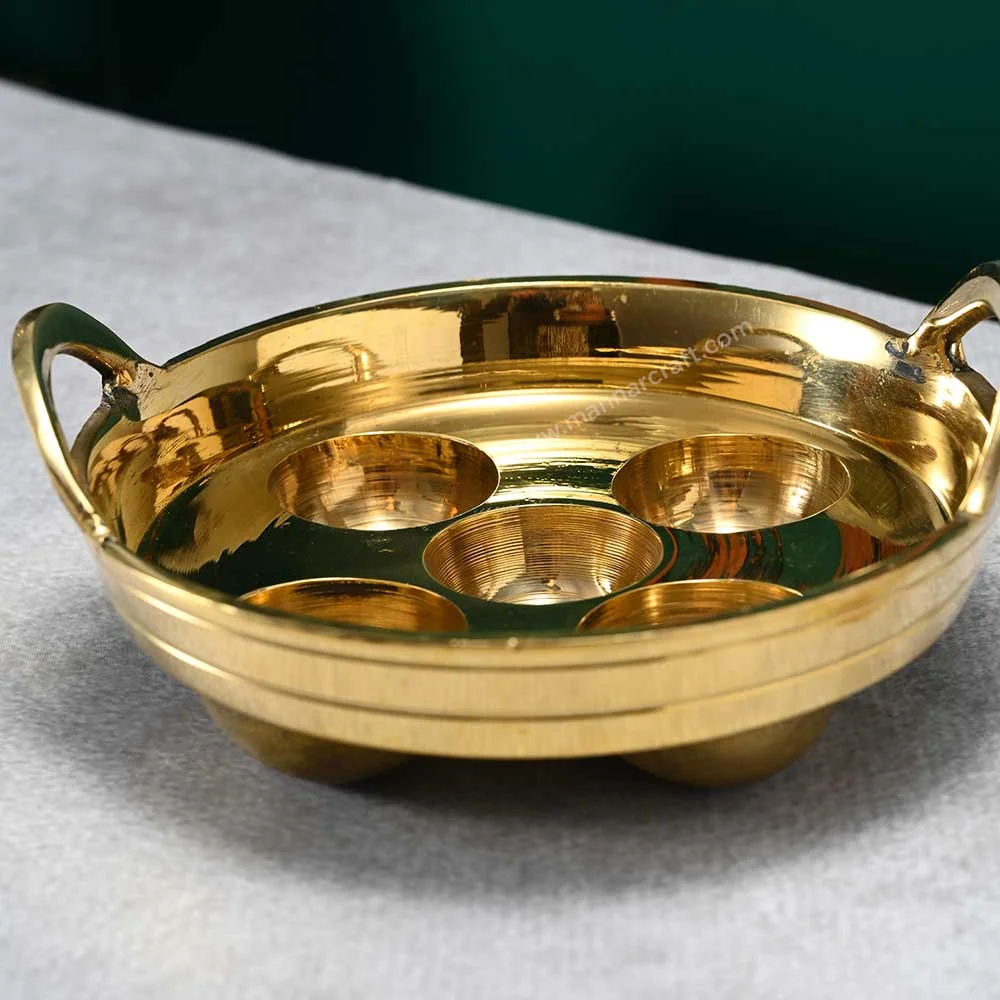
A bronze paniyaram pan is a traditional cooking vessel made primarily from an alloy of copper and tin. Unlike modern non-stick or aluminum pans, bronze cookware has been used for centuries in Indian households, particularly in Tamil Nadu and Kerala.
Key Characteristics
- Typically handcrafted using traditional casting methods
- Features multiple round cavities for uniform paniyaram cooking
- Heavier and denser than steel or aluminum pans
- Naturally non-reactive when properly seasoned
The weight and structure of bronze help maintain consistent heat, which is crucial for cooking fermented batters evenly without burning.
Why Bronze Is Used in Traditional Cookware
The Science Behind Bronze
Bronze is an alloy, most commonly composed of around 78–88% copper and 12–22% tin. This specific composition gives bronze cookware unique properties that suit slow and medium-heat cooking methods used in Indian cuisine.
Benefits of Bronze as a Cooking Material
- Excellent heat retention: Allows even cooking across all paniyaram cavities
- Durability: Resistant to warping and cracking over decades of use
- Chemical-free cooking: No synthetic coatings or toxinS
- Naturally antimicrobial properties: Copper content may help inhibit bacterial growth
When compared to modern cookware, bronze offers a balance of performance and tradition that few materials can match.
Health Benefits of Using a Bronze Paniyaram Pan
One of the main reasons for the renewed interest in bronze cookware is its perceived health advantages.
Potential Wellness Advantages
- Trace mineral infusion: Cooking in bronze may allow minimal absorption of copper, an essential micronutrient
- Supports digestion: Traditional practices associate bronze vessels with improved gut health
- No chemical leaching: Unlike non-stick pans, bronze does not release harmful fumes or residues
It is important to note that these benefits depend on proper seasoning and maintenance. A well-cared-for bronze paniyaram pan is safe for daily use and aligns well with holistic cooking practices
Bronze Paniyaram Pan vs Other Materials
Choosing the right paniyaram pan often involves comparing materials. Below is a practical comparison to help clarify where bronze stands.
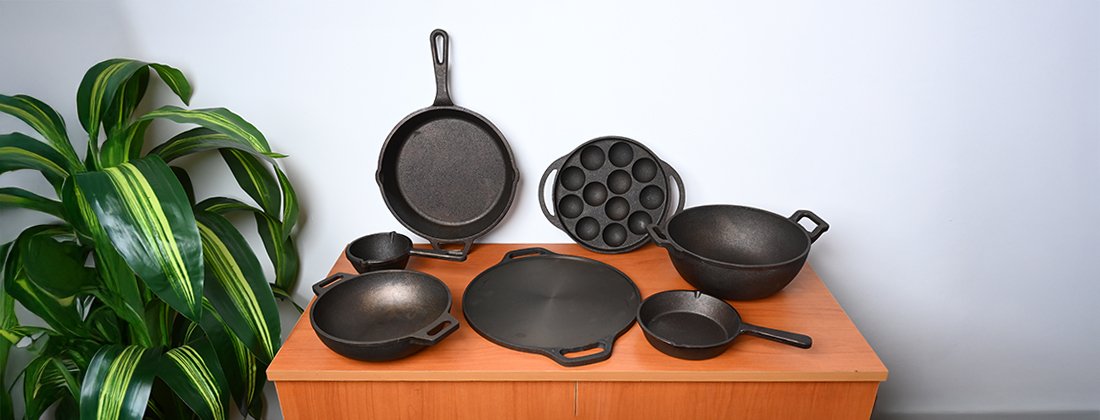
Bronze vs Cast Iron
- Bronze heats faster and more evenly
- Cast iron is heavier and requires more oil initially
- Bronze is less prone to rust when properly dried
Bronze vs Non-Stick
- Bronze is toxin-free and long-lasting
- Non-stick pans degrade over time and may release chemicals
- Bronze improves with age, while non-stick pans do not
Bronze vs Stainless Steel
- Stainless steel heats unevenly without a heavy base
- Bronze offers better temperature stability
- Steel is easier to maintain but lacks traditional benefits
For those prioritizing health, authenticity, and performance, a bronze paniyaram pan often emerges as the superior option.
Cooking Performance and Taste
A key reason professional cooks favor bronze cookware is the noticeable difference in cooking results.
How Bronze Enhances Paniyaram
- Promotes even browning without burning
- Retains heat between batches, saving cooking time
- Requires less oil once seasoned properly
The end result is paniyaram that is crisp on the outside, soft inside, and evenly cooked across all cavities qualities that are harder to achieve with lighter pans.
How to Season a Bronze Paniyaram Pan
Seasoning is essential before first use and plays a major role in cooking performance.
Initial Seasoning Process
- Wash the pan with mild soap and warm water
- Dry thoroughly using low heat
- Apply a thin layer of oil (sesame or coconut oil preferred)
- Heat gently for 10–15 minutes
- Allow to cool and wipe off excess oil
This process helps create a natural non-stick surface and protects the pan from oxidation.
Daily Care and Maintenance
Proper care ensures your bronze paniyaram pan lasts for generations.
Cleaning Guidelines
- Avoid harsh detergents or metal scrubbers
- Clean with warm water and a soft sponge
- Dry immediately after washing
Storage Tips
- Store in a dry place
- Lightly oil the surface if storing long-term
- Avoid stacking with wet cookware
Over time, a natural patina may develop. This is normal and does not affect performance
Common Myths About Bronze Cookware
Despite its benefits, bronze cookware is often misunderstood.
Myth 1: Bronze Is Difficult to Maintain
With simple drying and occasional oiling, maintenance is minimal.
Myth 2: Bronze Is Unsafe for Cooking
Properly seasoned bronze is safe and widely used in traditional kitchens.
Myth 3: Bronze Is Only Decorative
While visually striking, bronze paniyaram pans are highly functional and designed for regular cooking.
Who Should Choose a Bronze Paniyaram Pan?
This cookware is ideal for:
- Home cooks interested in traditional South Indian recipes
- Health-conscious individuals avoiding chemical coatings
- Culinary professionals seeking consistent cooking results
- Collectors of heritage and artisanal cookware
If you value authenticity, performance, and longevity, bronze is a worthy investment.
Sustainability and Cultural Value
Beyond the kitchen, bronze paniyaram pans represent sustainability and cultural continuity.
- Often handmade by skilled artisans
- Long lifespan reduces kitchen waste
- Supports traditional metalworking communities
Using bronze cookware is not just a cooking choice it is a conscious lifestyle decision.
Conclusion
The bronze paniyaram pan is more than a cooking utensil; it is a bridge between tradition and modern wellness. With its superior heat retention, chemical-free surface, and deep cultural roots, it offers unmatched value for those who cook with intention.
While it requires mindful care, the rewards are long-lasting better-tasting food, safer cooking practices, and a connection to culinary heritage. For anyone serious about authentic South Indian cooking or sustainable kitchen choices, a bronze paniyaram pan is an investment that truly stands the test of time.
Related Blogs